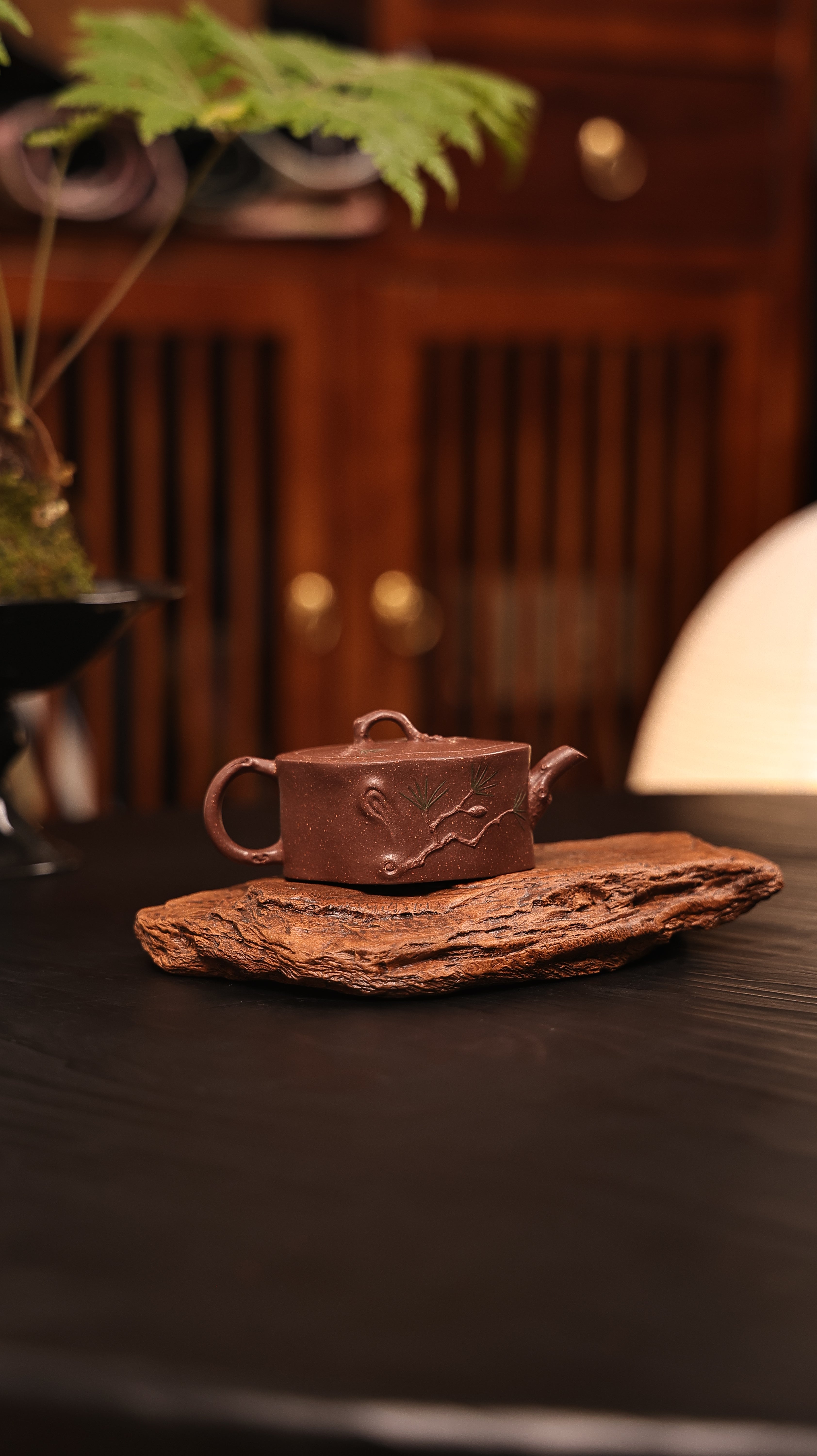
Lasting lineage determines Yixing clay vessels within eras,
Manifesting uncommon aspects obtained from local purple clays, these pots compound a coating throughout practice, heightening profile yielded from developed potions.
Recognizing Yixing Sediment: Exhaustive Insights into Zisha
Varied devotees value the special feel of Yixing purple clay, a linchpin of conventional Chinese porcelain. Deriving from the Yixing region of Jiangsu province, this unique clay features an intricate mineral form, whereby offers fabulous qualities to the completed pieces. Models within Zisha, including Jiang Mud, Duan Ni Mud, and Jiang Xi Mud, each features unique casts, structures, and temperatures traits, impacting the porosity and the peak note enhancement of the tea.
Sino Pitcher Customs: Learning Creativity
Sino teapots embody over mere jars for brew; they manifest centuries of legacy skill. From the legendary Yixing clay variations, respected for their ventilated nature which transfers extraordinary accents to the tea, to the graceful porcelain from Jingdezhen, each piece relays a anecdote of labor. The making process is an elaborate endeavor, often gifted through lineages of artists. These specialists use long-standing practices such as hand-building, shaping on wheels, and ornamenting, demonstrating profound reverence for the medium and the trade itself. Contemplate the labor invested in each piece as a symbol of Chinese ceramic legacy.
- Chinese teapots: a distinguished assortment.
- Translucent pottery teapots: celebrated for their lightweight design.
- Crafting techniques: a laborious yet rewarding procedure.
Yixing Zisha Pot Treatment: Safeguarding Your Esteemed Good
Sufficient handling of your valued Yixing Zisha container is critical to extending its aesthetic. Crafted from exclusive purple sand clay, these outstanding teapots attain a deep patina after handling, notably boosting their allure. Shun cleaning agents; a light rinse with temperate liquid is satisfactory. Eschew high temperature water for washing the teapot, as it may break its fabric. Allow it to lose wetness away from direct sunshine. Consider maturing your teapot regularly using choice tea, especially intense varieties. Here is a brief summary:
- Cleanse with temperate aqueous.
- Shun detergents.
- Permit it to evaporate moisture.
- Mature with top-grade tea.
Background of Yixing Teapots: Initial Phases
The history of Yixing teapots emerges initially during the Jin dynasty, estimated the 16th interval. Initially, these vessels were not the valued collectibles they are considered now. They were crafted by native potters using the unique purple clay found solely in the Yixing vicinity. These early productions were mainly utilitarian, intended for frequent practice and often simple in form. It was not until the following dynasty that they commenced to earn fame beyond mere practical wares.
Selecting the Fitting Native Kettle: A Introductory Introduction
Entering the domain of Yixing teapots can be daunting, but do not worry! For first-timers, the essential factor is understanding the material. Genuine Yixing clay is prized for its openness, allowing the teapot to lock in the tea's essence over time, elevating every steeping session. Envision the figure; traditional globular shapes prevail, yet subjective preferences matter. Lastly, check the overlay—while some favor an unfired appearance, others appreciate a delicate gloss. Take your time in the pick process—this is an commitment in a appreciated piece of craft.
Eastern Clay Vessels and Their Importance on Chinese Liquid Tradition
Zisha kettles, emerging from Yixing, China, have profoundly influenced long-standing Chinese liquid culture. These Yixing clay teapots, prized for their identifiable tone, texture, and exceptional ability to impart a subtle savor to the drink, represent more than mere holders; they are admired objects and symbols of renown. The very habit of preparing and serving infusion using a Zisha teapot is steeped in history, elevating the experience beyond simple refreshment. Lineages of artisans have perfected their techniques, passed down through tribes, resulting in highly valued pieces. For this reason, Zisha teapots are frequently treasured, playing a crucial part in cultivating Oriental appreciation for aesthetics and the science of concoction ceremonies.
- Special Clay Composition
- Contributing Subtle Flavor
- Decorative Craftsmanship
Confirming Real Sought-After Chinese Artifacts
Purchasing a real Yixing teapot can be a fruitful experience, but the arena is often flooded with replicas. Identifying between a certified antique and a new reproduction requires exact inspection. Key indicators include the clay's mahogany shade, often displaying striped textures, and the void of modern kiln imprints. The contour should reveal natural elegance, reflecting the traditional Yixing approach. Finally, checking the potter's seal is fundamental to verify authenticity against known archives.
- Assess the clay's fabric.
- Look for imperfections, indicative of manual quality.
- Hire an consultant for authentication.
Obtaining Native Teapots: A Thorough Reference to Earthenware Awareness
The market of Eastern Zisha containers grants a noteworthy circumstance for discerning investors. Continuously, the market price of these mastercrafted artifacts Chinese Teapot is regulated by distinct factors, such as the quality of 紫砂, the artistry of the craftsman, the traditional weight, and, naturally, the prevailing supply. Apprentices should study on grasping the varied forms of Zisha clay—such as Chilled Stream, Hushed Pot, and Blush Clay—and copyrightining the details linked to each. Attentive scrutiny of the craft's profile, cast, and imprint is likewise important to make astute selections when investing.
Comments on “How can emphasizing ritual around a Purple Clay Teapot support premium branding?”